
 Grace Morgan
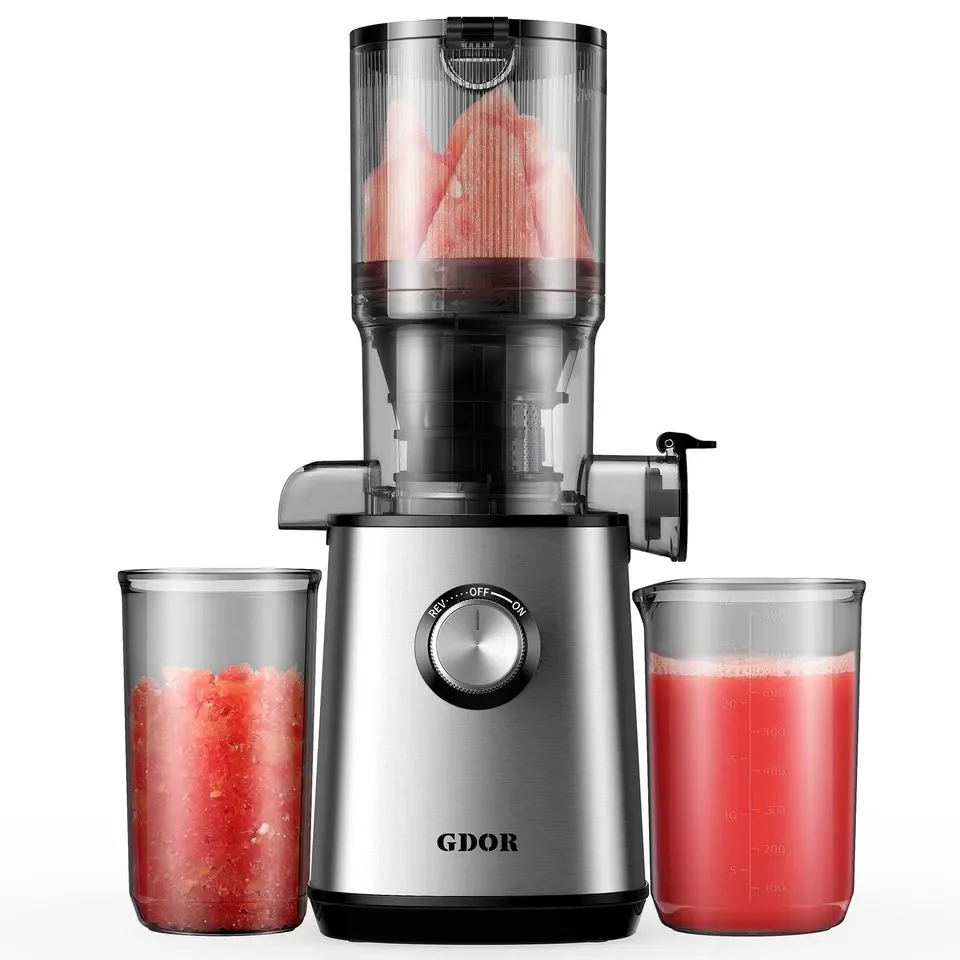
Fresh juice captures nutrients in a concentrated, easily absorbed form that makes vegetables and fruits more accessible to people who struggle with eating enough produce. While centrifugal juicers dominate store shelves with their speed and lower prices, masticating juicers take a different approach that prioritizes juice quality over extraction speed.
These machines crush and press ingredients slowly, preserving more nutrients and enzymes while producing less foam and oxidation. The distinction matters most to people juicing daily for health reasons, those working with leafy greens and herbs, or anyone who notices how quickly centrifugal juice separates and loses freshness. Understanding the masticating process and its practical implications helps you decide whether the investment aligns with your juicing goals and habits.
How a Masticating Juicer Works
A masticating juicer operates through crushing and pressing rather than high-speed spinning. The auger rotates slowly, typically between forty and eighty revolutions per minute, grinding produce against a screen to extract juice. This gentle process generates minimal heat and incorporates less air compared to centrifugal models that spin at thousands of RPM. The result is juice that retains more vitamins, particularly heat-sensitive nutrients like vitamin C and certain enzymes that oxidize quickly when exposed to air.
The extracted juice has a different character—thicker consistency, less foam on top, and slower separation of solids from liquid. Juice from a masticating machine often stays fresh in the refrigerator for up to seventy-two hours without significant nutrient loss or color change, while centrifugal juice begins degrading within hours. This storage capability matters when you want to prepare juice in batches rather than running the juicer every time you want a glass.
What These Juicers Handle Best
Masticating juicers excel with ingredients that challenge centrifugal models. Leafy greens like kale, spinach, and wheatgrass yield substantially more juice through the slow crushing process. Herbs including parsley, cilantro, and mint extract thoroughly rather than getting caught in fast-spinning baskets. Soft fruits like berries and grapes juice effectively without turning to mush. Even fibrous stalks like celery process completely, leaving drier pulp that indicates thorough extraction.
Hard vegetables like carrots and beets take longer to process but produce higher yields compared to centrifugal juicers. The slower pace means you can feed ingredients steadily without overwhelming the machine. Some models handle nuts for nut milk, frozen fruit for sorbet, and even extrude pasta or grind coffee. This versatility makes the juicer useful beyond morning juice, though these additional functions vary significantly between models and shouldn’t be the primary purchase factor unless you’ll actually use them regularly.
Horizontal vs. Vertical Models
Masticating juicers come in horizontal and vertical configurations. Horizontal models typically offer more versatility for alternate functions like nut butter or food processing, but occupy more counter space. Vertical designs have a smaller footprint and slightly faster juicing since gravity assists ingredient feeding. Both styles share the core masticating mechanism but differ in ergonomics and kitchen fit.
Cleaning, Noise and Speed
Cleaning requires more attention than centrifugal models due to the screen’s fine mesh and the auger’s grooves where pulp accumulates. Most components disassemble for washing, and running water through immediately after use prevents pulp from drying and hardening. Some models include cleaning brushes specifically designed for the screen. Dishwasher-safe parts simplify maintenance, though hand washing extends component life. Cleaning ease remains an important design consideration since complicated cleanup discourages regular use.
The slow motor operation makes masticating juicers significantly quieter than centrifugal models. Early morning juicing becomes feasible without waking household members. The reduced noise reflects the gentler mechanical process—less violent action means less sound. However, the slower extraction speed means juicing takes longer. Processing ingredients for a large glass might require three to five minutes versus one minute with a centrifugal juicer.
This time difference matters depending on your routine. If you’re making juice for multiple people or large batches to store, the extra minutes accumulate. For single servings and daily personal use, most people find the time acceptable given the quality improvements. The key is having realistic expectations—masticating juicers prioritize quality over speed, and users satisfied with their purchase typically value that tradeoff consciously rather than being surprised by it.
Cost and Who Should Buy One
Masticating juicers cost more initially than centrifugal alternatives. Prices reflect the more complex mechanics and durable construction needed for the crushing process. However, higher juice yields mean you use less produce for the same amount of juice, offsetting the upfront cost over time. The longer juice storage life reduces waste when you can’t drink everything immediately. Durability tends to exceed centrifugal models, with many masticating juicers lasting years of daily use when maintained properly.
The investment makes most sense for committed juicers who value nutrient retention and juice quality. If you’re juicing occasionally or primarily working with hard fruits and vegetables where centrifugal juicers perform well, the price premium may not align with your needs. But for daily green juice, therapeutic juicing protocols, or anyone who has abandoned juicing because their centrifugal model produced disappointing results with leafy greens, the masticating approach often revitalizes the practice.
A masticating juicer represents a specific philosophy about juice quality and nutrient preservation. The machine works best for people who view juicing as a meaningful part of their health routine rather than occasional convenience. When you’re committed to incorporating more vegetables into your diet and want to maximize what you extract from each ingredient, the slower, more thorough process delivers results that justify both the cost and the extra cleaning time. The right juicer supports consistent habits by producing results you actually want to drink, and for many people pursuing better nutrition through fresh juice, that means choosing the masticating approach.