
 Clara Bennett
Surgical safety protocols matter in veterinary clinics because small, routine details decide outcomes: a missed allergy, an unclear drug dose, a lapse in sterile technique or thin recovery monitoring can turn a simple procedure into a crisis. Good protocols make every step repeatable, so nothing depends on memory during a busy day.
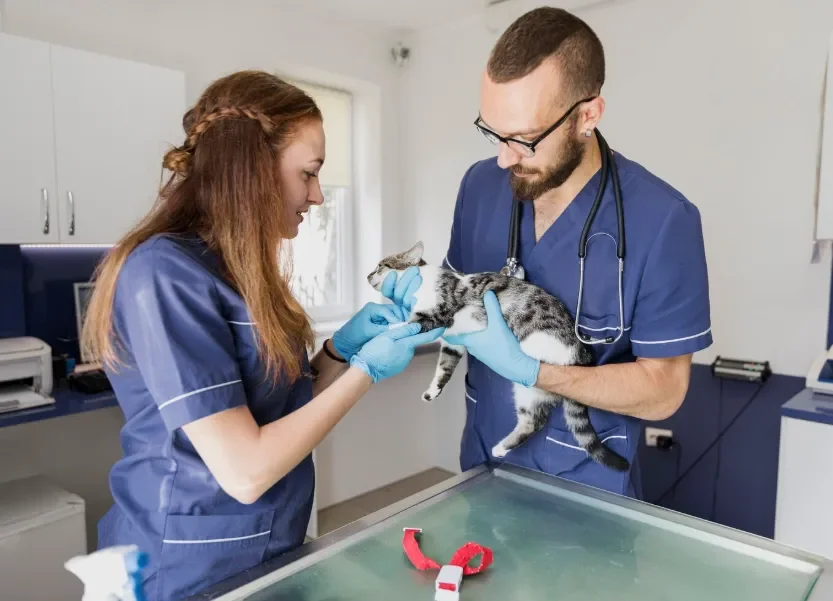
Your pet can’t tell anyone it feels unwell after surgery. That’s why the systems behind the scenes count for so much.
How Complications Usually Start
Most problems begin quietly. A patient arrives dehydrated. A blood result isn’t read closely. An instrument count is rushed. Recovery checks thin out on a hectic afternoon. None of these feels dramatic in the moment, yet each one raises risk.
Protocols also adapt care to the individual. A pet with a hidden heart condition may need a different anaesthetic plan. Flat-faced dogs need close airway monitoring. Senior cats may need extra warmth and fluid support. University guidance on animal procedures consistently stresses the same pillars: careful planning, aseptic technique, pain control and close observation.
Weak vs Strong Safety Practices
| Stage | Weak approach | Strong protocol |
|---|---|---|
| Pre-op review | Basic intake only | Exam, lab review, fasting check, risk assessment |
| Identification and consent | Verbal confirmation | Written ID checks and clear, signed consent on risks |
| Sterile technique | Inconsistent preparation | Standard prep, sterile instruments, instrument counts |
| Anaesthesia | Occasional checks | A dedicated person monitoring vital signs with proper equipment |
| Recovery and discharge | Brief observation, verbal advice | Ongoing monitoring, pain plan, written aftercare |
The Cost of Getting It Wrong
Poor systems can lead to infection, anaesthetic complications, bleeding, slow healing and unmanaged pain. Families face fear and uncertainty, and bills can climb well past the estimate through extra tests, medication, longer stays or repeat surgery. Trust suffers too. Owners accept honest risk; what they struggle with is preventable harm.
Routine operations carry a hidden danger: false confidence. A spay, dental extraction or lump removal may happen every week, but every patient brings a different age, breed and history.
Questions to Ask Before Your Pet’s Surgery
- Who monitors my pet under anaesthesia, and with what equipment?
- Will you run pre-surgical bloodwork? Especially relevant for older pets.
- How is pain managed before, during and after?
- What happens from admission to discharge? Listen for exams, sterile prep, recovery observation and written aftercare.
- Who do I call if I’m worried at home?
Clear, confident answers usually reflect solid systems. Notice communication as well as credentials: a safe clinic explains risk honestly and updates you when plans change.
After You Bring Your Pet Home
Call the clinic straight away if you see heavy bleeding, swelling, discharge, laboured breathing, refusal to eat or unusual lethargy. Otherwise, recovery is mostly patience: follow the written instructions on medication, rest and wound care, and prevent licking with a cone or recovery suit if advised.