
 Editorial Team
Ask any restaurant owner to name their biggest headaches and staffing, food prices, and rent will come up fast. Energy rarely makes the top of the list, yet it is one of the most punishing costs a restaurant carries, and one of the most overlooked. A kitchen runs hot, cold, and busy all at once, for long hours, every day, which means the wrong energy contract can quietly swallow a meaningful slice of already thin margins. It is also one of the more controllable costs, once you understand what drives it.
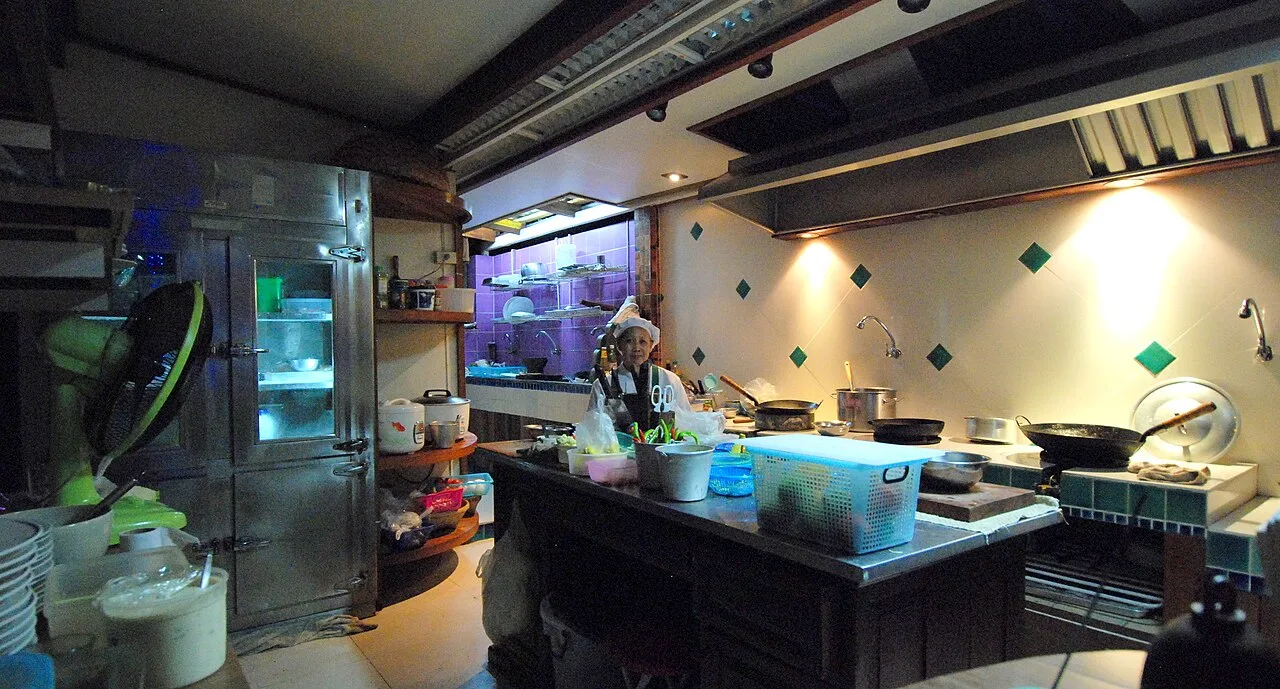
Why a restaurant uses energy like a small factory
A restaurant is an unusually energy-hungry operation. The kitchen alone runs ovens, ranges, fryers, grills, extraction, and refrigeration through every service, and much of it stays on all day. Walk-in fridges and freezers never switch off. Dishwashers and glass washers cycle constantly. Add heating, air conditioning, and lighting to keep the dining room comfortable from open to close, and the total load starts to look more like a small factory than a dining room.
This matters because high consumption magnifies every pricing decision. When you use a lot of energy, even a small difference in the unit rate translates into hundreds or thousands of pounds a year. A restaurant on a poor contract is not losing a little. It is losing a chunk of margin it can rarely spare. That is why a renewal that looks only slightly higher than last year’s rate can still be expensive over a full trading year, especially when ovens, refrigeration, and extraction are running through every service.
Business energy is not a household bill
Business energy works nothing like the household version. The difference is easy to underestimate until a contract ends and the replacement rate is no longer a household-style comparison. There is no price cap, contracts are fixed-term and generally cannot be exited early, and if one lapses the business is moved onto out-of-contract rates that rank among the most expensive available. Suppliers price renewals knowing most customers will not check, so the renewal quote that lands is rarely the best available. For a busy restaurateur with a hundred things to manage, accepting that renewal is the path of least resistance, and it almost always means overpaying.
Restaurants also have an unusual consumption pattern, with heavy, sustained demand across long trading hours, that generic quotes handle poorly. Getting the right deal means matching the contract to how a restaurant actually uses energy, rather than treating it like a nine-to-five office.
Compare the market early, then cut waste in the kitchen
The most effective step is to compare the market with your restaurant’s specific usage in mind rather than accepting a renewal. Bringing costs down starts with seeing what the whole market would charge for a hospitality venue’s demand profile and matching the contract to it. Sector-aware procurement tends to beat a generic comparison here, because it accounts for the kitchen, the refrigeration, and the long hours.
Timing helps too. Energy prices track the wholesale market, and suppliers let you lock in a new contract months ahead, sometimes up to a year. Starting the process early, well before the current contract ends, gives the widest choice and the best chance of catching a favourable rate rather than being cornered into whatever is available at renewal. If the current contract is left to lapse, the move onto out-of-contract rates can undo an entire year of careful kitchen habits in just a few monthly invoices. Those out-of-contract rates are among the most expensive available, which is why the end date has to be watched. Marking the end date and reviewing the market ahead of it turns energy from an unpredictable cost into a planned decision.
A better rate pairs well with reducing consumption, and restaurants have plenty of room to do so without affecting the guest experience. Servicing refrigeration and extraction so they run efficiently makes a real difference, since they run constantly. Switching to LED lighting cuts both energy and the heat it adds in a hot kitchen. Maintaining heating and cooling, fixing door seals on fridges, and simple habits like not leaving equipment on overnight all add up across a year of daily service. Those are unglamorous jobs, but they target the equipment that never really stops: the walk-in, the extraction, the lights, and anything left on after the last sitting.
The work is in two parts, and they belong together. First, treat the contract as a planned decision: know the end date, compare offers against a hospitality demand profile, and lock in a rate early enough that you are not pushed onto out-of-contract prices. Second, keep the kitchen from wasting power it has already paid for. For a restaurant, where margins are tight and energy demand is high, getting both the rate and the usage right is often the difference between a comfortable year and a stressful one.