
 Grace Morgan
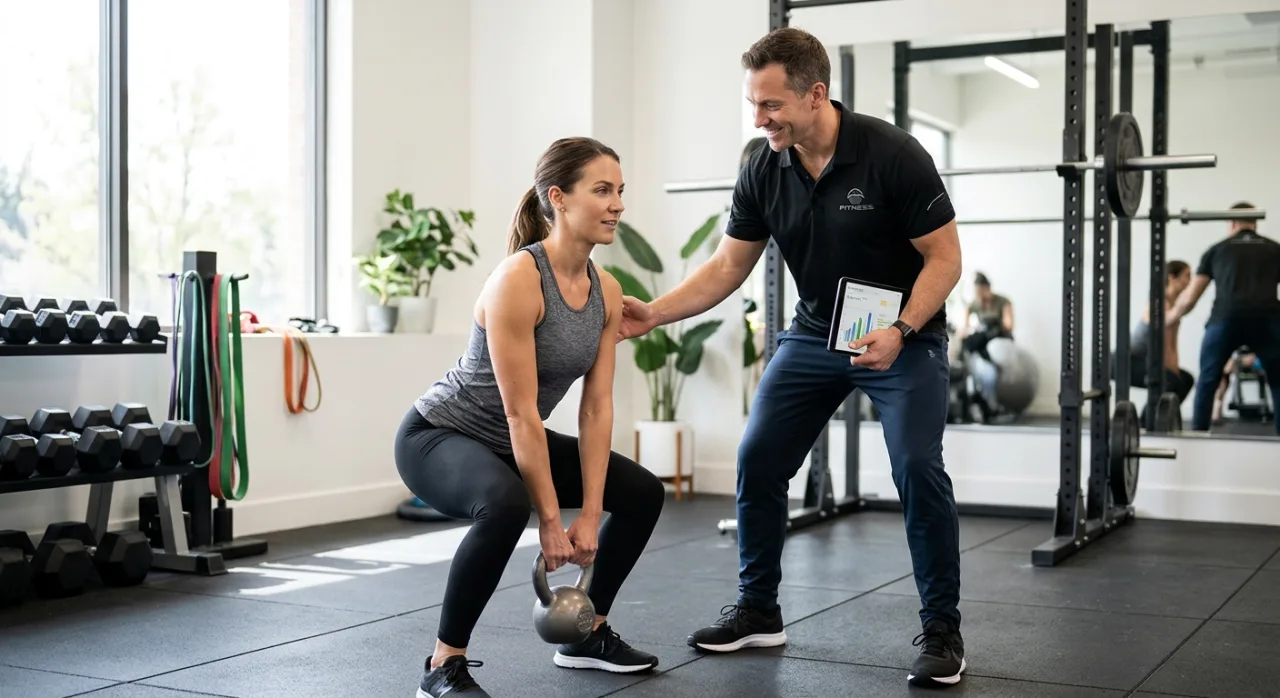 Transforming your daily routine doesn’t require drastic, overnight shifts. Real, lasting physical transformation comes from structured guidance, progressive improvements, and sustainable habit creation. Whether your goal is strength building, stamina, or weight loss (Afvallen met personal trainer), a tailored, step-by-step approach ensures you achieve long-term success without burnout.
Key Pillars of a Successful Fitness Journey
To turn short-term effort into a lifelong lifestyle, focus on these core foundation steps:
[ Baseline Evaluation ] ➔ [ Clear Objectives ] ➔ [ Targeted Workouts ] ➔ [ Proper Form & Safety ]
-
1. Comprehensive Baseline Assessment: Professional trainers evaluate mobility, core stability, and baseline cardiovascular stamina before designing your program.
-
2. Actionable, Practical Goals: Setting measurable milestones keeps motivation high while giving clear feedback on your progression.
-
3. Custom-Tailored Workout Programs: Balancing resistance training and cardio conditions your body while accommodating your daily obligations.
-
4. Safety and Form Mastery: Correct movement mechanics reduce strain on joints, maximize muscle engagement, and prevent injury.
Quick Reference: Guided Coaching vs. Solo Training
| Focus Area | Guided Personal Training | Self-Directed Training |
| Structure & Safety | Custom workouts designed for your body type and goals | High risk of improper form or unbalanced routines |
| Accountability | Regular review checkpoints and ongoing motivation | Easy to drop routines when schedule gets busy |
| Adaptability | Real-time workout adjustments based on recovery | Static plans that lead to plateauing or overtraining |
| Long-Term Independence | Focuses on teaching sustainable movement habits | Relies heavily on guessing exercises and intensity |
How Guided Coaching Drives Sustainable Results
1. Seamless Integration into Daily Life
A well-designed fitness plan fits naturally into your existing schedule. Professional trainers adapt workout duration and intensity to suit your available time, keeping physical and mental fatigue at bay.
2. Practical Lifestyle & Nutrition Choices
True physical fitness extends beyond the gym floor. Rather than enforcing strict, short-lived restrictions, guided fitness helps you make practical decisions regarding daily movement, balanced nutrition, and healthy sleep habits.
3. Accountability & Progress Tracking
Staying consistent between training sessions is essential. Keep your momentum going using these simple techniques:
-
Weekly activity targets: Set attainable movement goals for non-training days.
-
Progress logs: Track strength gains, endurance improvements, and body measurements.
-
Scheduled rest & recovery: Prioritize rest days to repair muscle tissue and maintain energy.
-
Celebrate small wins: Acknowledge subtle victories like improved posture, better sleep, or extra reps.
4. Overcoming Setbacks with Confidence
Life happens, and missed workouts are normal. A structured approach helps you restart smoothly without guilt, re-aligning your schedule and keeping long-term growth intact.
Transitioning from Guided Training to Full Independence
The ultimate goal of any quality training program is self-sufficiency. As you master proper movement patterns, understand body mechanics, and build strong habits, you gain the confidence required to manage your health and physical conditioning independently for years to come.
Frequently Asked Questions
How often should I work with a personal trainer?
Most beginners see the best balance between progress and recovery by starting with 2 to 3 sessions per week. This schedule provides enough stimulus for growth while leaving adequate time for muscle recuperation.
Is guided personal training suitable for complete beginners?
Yes. Professional guidance helps beginners learn proper movement mechanics early, preventing injuries and accelerating long-term habit formation.
How do I maintain fitness progress over the long term?
Focus on consistency over intensity. Prioritize regular daily activity, re-evaluate your goals periodically, and choose sustainable habits over extreme, temporary routines.