
 Clara Bennett
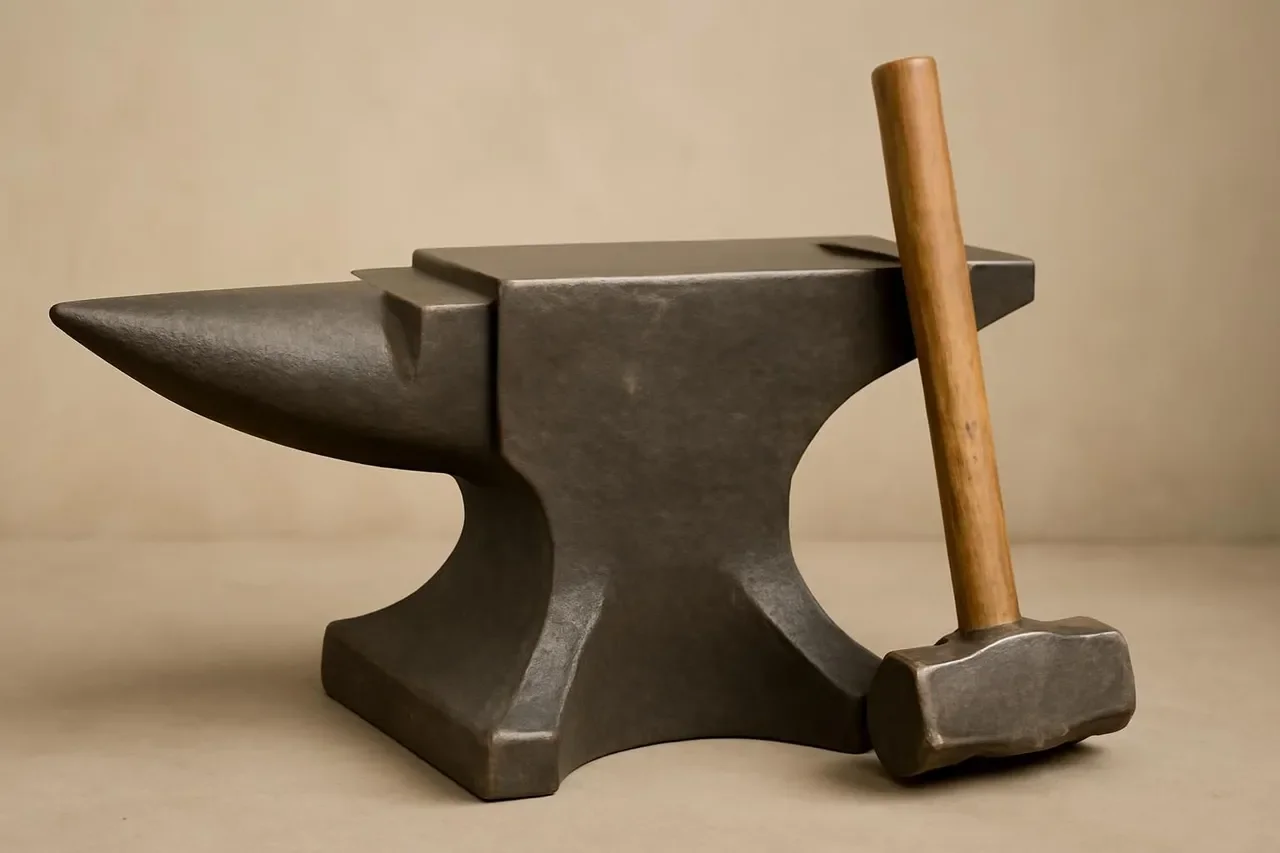
The San Fernando Valley has long served as a quiet industrial backbone for the greater Los Angeles metropolitan area, housing specialized manufacturing hubs, automotive restoration shops, and architectural metal fabricators. Behind plain concrete exteriors and unassuming roll-up doors, master craftsmen transform raw steel tubes, iron bars, and heavy plates into structural perimeters, custom entry gates, and architectural frameworks. Understanding what happens inside a working steel shop reveals the intersection of traditional blacksmithing, advanced engineering, and precise metal fabrication. Operating a modern fabrication facility requires rigorous adherence to technical standards, deep metallurgical knowledge, and skilled craftsmanship. This exploration covers the daily operations, heavy machinery, fabrication workflows, and quality control measures that define professional metalworking within an active manufacturing shop.
How a Steel Shop Moves Raw Stock Through the Floor
A professional steel fabrication shop is organized to move raw materials through a structured sequence of cutting, shaping, welding, and finishing. Unlike retail storefronts, industrial workshops are engineered to handle massive raw stock weight while maintaining millimeter-level precision. Fabrication begins in the stock yard or material warehouse where structural steel tubing, angle iron, flat bars, and specialized plates are stored. Steel stock is categorized by alloy grade, wall thickness, and dimensional profile. High-grade structural steel provides the tensile strength and load-bearing capacity necessary for architectural gates, security frames, and heavy commercial doors.
Once raw stock is selected, it moves to the cutting floor. High-capacity band saws and automated cold saws slice structural tubing to exact engineering lengths. For intricate architectural designs, custom brackets, or decorative panels, computer-controlled plasma cutters and laser cutting tables carve complex geometric patterns from steel sheets with extreme dimensional accuracy. Transforming raw steel pieces into a cohesive, structurally sound architectural element requires a meticulous workflow divided into specialized production stages.
During the layout and cutting stage, fabricators dimension raw stock according to approved engineering blueprints using band saws, cold cut saws, and CNC plasma cutters, ensuring precise squareness, accurate angles, and minimal material waste. The tacking and fitting stage assembles individual cut pieces into a rigid preliminary framework using welding magnets, clamping jigs, and square framing tools, verifying diagonal measurements to prevent structural warping before final welds. Full structural welding provides permanent metallurgical fusion of joints and structural load points using MIG, TIG, and Stick welding machines, maintaining proper heat penetration, clean bead profiles, and joint strength. The grinding and smoothing stage eliminates weld splatter, sharp edges, and surface imperfections using angle grinders, carbide burr bits, and sanding belts to create smooth, uniform transition lines across visible architectural surfaces.
Welding Is the Structural Heart of the Work
Welding is the structural heart of any metal fabrication shop. The strength and safety of the final product depend entirely on the skill of the welder and the integrity of the fused metal joints. Metal Inert Gas, or MIG, welding is widely utilized for heavy structural steel assembly due to its high deposition rate and deep penetration capabilities, making it ideal for thick gate frames and heavy posts. Tungsten Inert Gas, or TIG, welding, on the other hand, is employed when precision, fine aesthetics, and clean visible seams are required on custom architectural ironwork or thin decorative panels.
Applying intense localized heat during welding causes steel to expand and contract, which can warp long structural frames or throw a gate assembly out of square. Professional fabricators utilize strategic stitch-welding patterns, heavy-duty clamping jigs, and controlled cooling periods to dissipate heat evenly and maintain absolute structural straightness. Raw carbon steel is highly susceptible to atmospheric oxidation when exposed to moisture, humidity, and oxygen. A fabricated piece is only as durable as its protective finish, and professional shops employ rigorous multi-stage coating processes to ensure long-term corrosion resistance.
Before any coating can be applied, raw steel must be thoroughly cleaned. Abrasive media blasting strips away mill scale, manufacturing oils, and surface rust, etching the metal surface to create a microscopic bonding profile that paint and primers can grip securely. Following abrasive cleaning, fabricators apply a zinc-rich epoxy primer to form a sacrificial chemical barrier against rust. The final protective layer typically consists of a thermoset powder coating applied electrostatically and cured in industrial ovens. This thermal curing process produces a dense, uniform, weather-resistant finish that withstands UV radiation, scratching, and environmental moisture far better than traditional liquid paint.
Safety Checks Before a Finished Assembly Leaves the Shop
Industrial fabrication environments involve heavy machinery, high-voltage electrical equipment, and intense thermal energy. Maintaining a strict safety culture protects craftsmen and guarantees consistent product quality. Before leaving the shop floor, finished assemblies undergo rigorous quality checks. Inspectors verify dimensional accuracy against engineering blueprints, examine weld penetration and surface smoothness, and test moving mechanical parts such as heavy-duty hinges, pivot points, and sliding tracks. Architectural metalwork destined for residential and commercial properties must comply with regional building codes, seismic engineering standards, and safety regulations. Whether constructing a heavy driveway gate or structural security fencing, fabricators ensure that every installation supports required wind loads and operational duty cycles. Background provided when exploring Star Steel demonstrates how custom fabrication bridges traditional skills with modern engineering.
Behind the doors of a busy steel shop lies a blend of heavy industry and fine detail work. From raw steel bars stacked neatly in warehouse bays to finished, powder-coated architectural masterpieces ready for site installation, professional fabrication requires patience, technical precision, and unwavering dedication to structural integrity. By combining traditional welding expertise with modern engineering standards, master fabricators produce durable metal installations that secure properties and architectural design for decades.