
 Clara Bennett
Successful pet groomers combine solid training, clear communication, a safe salon, sound business habits, and a specialty that sets them apart. Grooming skill gets you started. The other four keep clients coming back.
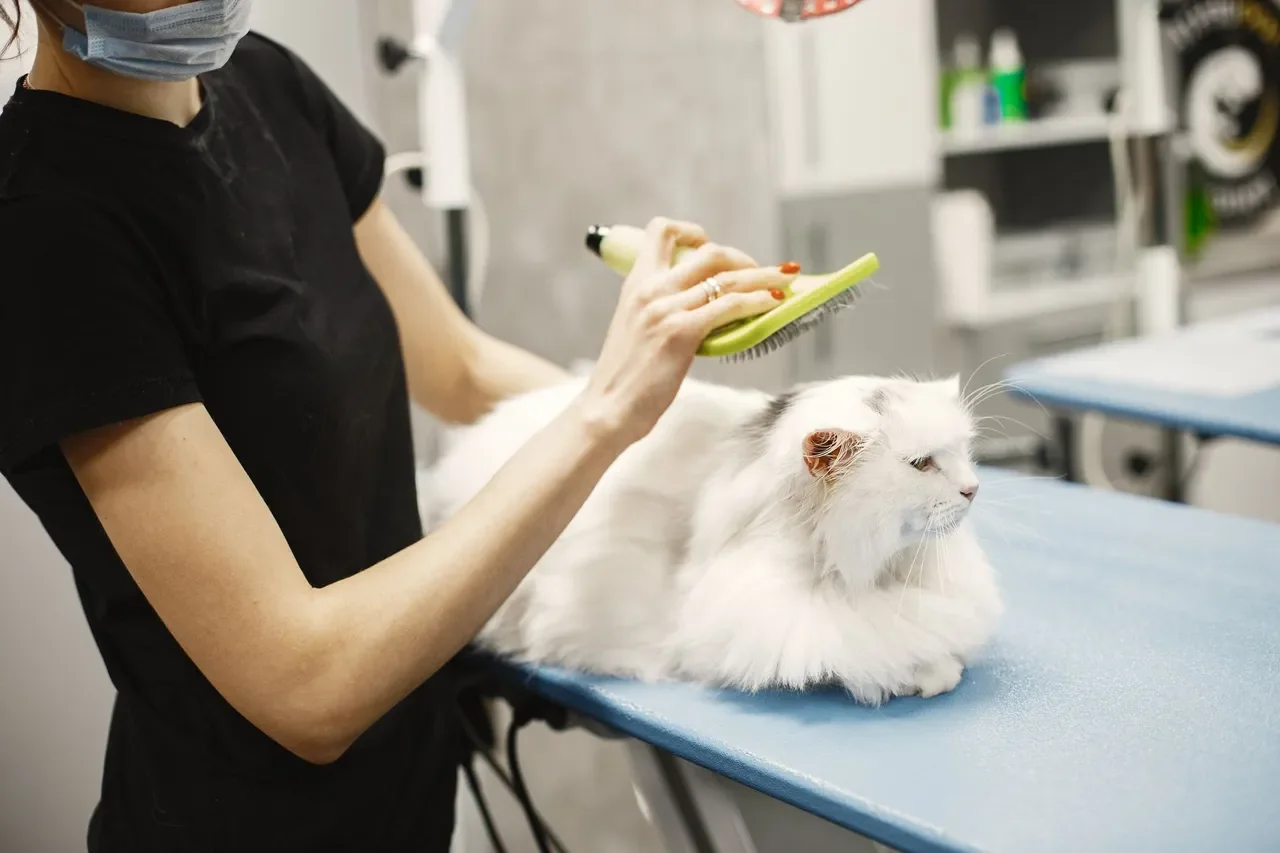
Demand keeps growing as more owners treat professional grooming as part of routine pet care. But bathing and trimming fur is only part of the job. These five areas decide whether a grooming career lasts.
1. Get Proper Training and Credentials
Accredited grooming schools teach coat types, techniques, and animal behavior. Certification programs add breed standards, safety protocols, and advanced styling.
- Credentials build trust with owners looking for certified professionals.
- Continuing education keeps you current as new techniques and products appear.
2. Communicate Well With Owners
Owners want to feel heard about their pet’s needs and health concerns. Ask detailed questions before each groom:
- What is the coat texture and condition?
- How does the pet behave with strangers or handling?
- What look does the owner actually want?
- Are there skin issues, injuries, or medical conditions?
Be upfront about pricing, availability, and what happens during the session. A quick follow-up message after the appointment shows you care. Trust leads to repeat bookings and referrals.
3. Keep the Salon Clean and Safe
| Area | What to get right | Why it matters |
|---|---|---|
| Hygiene | Disinfect stations between pets | Stops skin conditions and parasites spreading |
| Equipment | Service clippers and sharpen scissors | Safe, clean cuts |
| Facility | Good ventilation, organized supplies | Looks professional and protects animals |
| Restraint | Quality tables, non-slip floors, proper restraints | Fewer accidents and injuries |
A safe setup also protects your own body. Good tables and flooring reduce strain during long days.
4. Run It Like a Business
- Price your services from real costs and track profitability.
- Keep detailed records of clients, pets, and expenses.
- Make booking easy with a website, social media, or online scheduling.
- Share before-and-after photos to show your work.
- Build referral ties with vets, pet stores, and shelters.
- Ask happy clients to recommend you. Word of mouth still works best.
5. Develop a Specialty
Specialization raises your earning potential and reduces direct competition. Options include breed-specific styling, creative coloring, and gentle grooming for anxious pets. Others focus on senior dogs, animals with behavioral challenges, or pets with medical conditions.
Specialties also build a reputation. Owners of nervous or elderly pets often travel farther for a groomer they trust.
Add-ons such as nail care, ear cleaning, and dental packages add value for clients and raise your average ticket.
Quick Checklist for New Groomers
- Complete recognized training and keep learning.
- Use a consistent intake form for every new pet.
- Set a cleaning and equipment maintenance schedule.
- Track income and expenses from day one.
Warning: never skip the health questions at intake. Grooming a pet with an undisclosed skin condition or injury can harm the animal and expose your business to liability.